Electrical protection
We design the charging equipment and supporting electrical system with protection and isolation appropriate to the installation, equipment and local project requirements.

Responsible infrastructure
We design and operate charging infrastructure for parking areas, depots and commercial properties where vehicles and people move every day. We treat site layout, electrical protection, equipment condition, compatibility and maintenance as part of one operating responsibility.
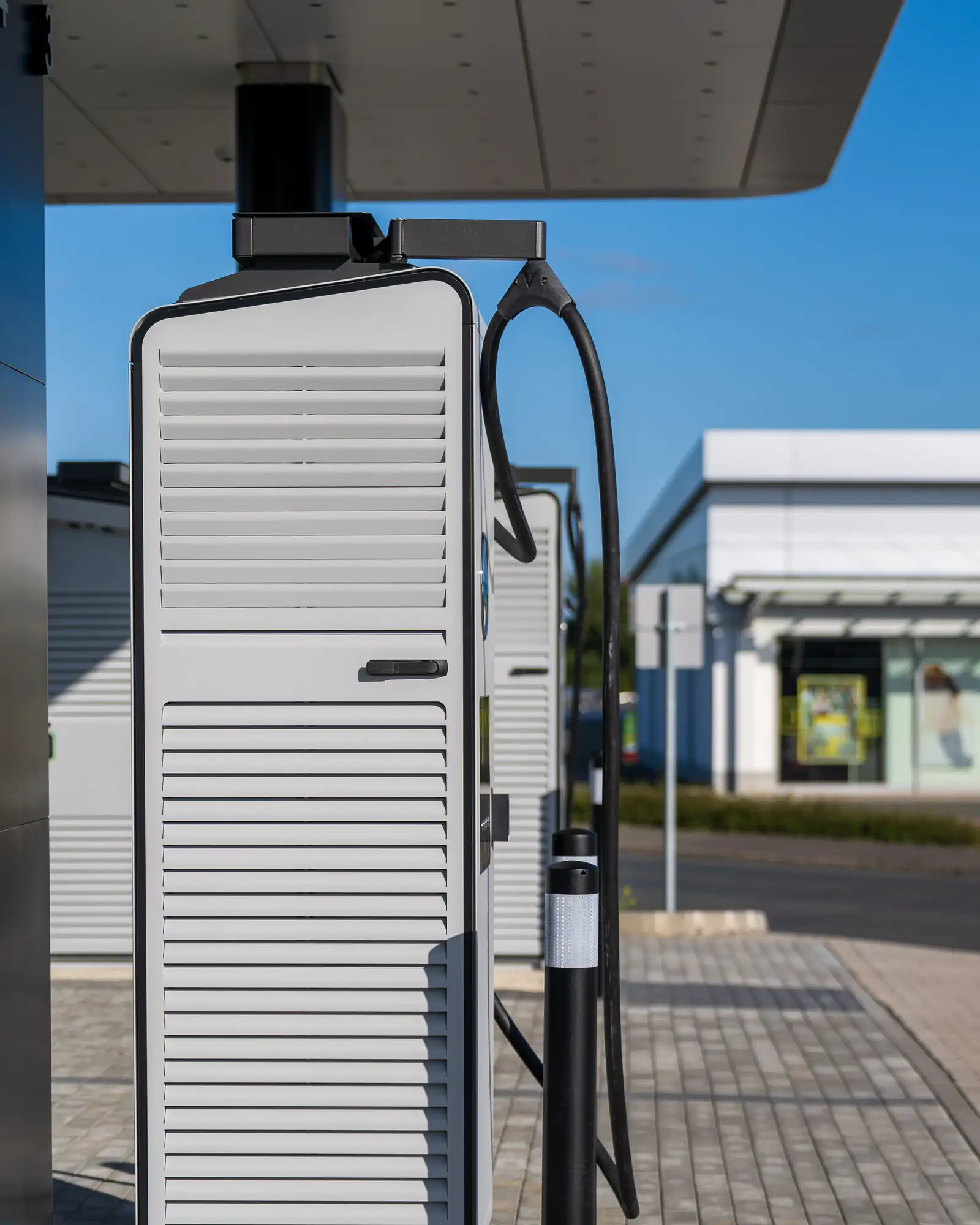
Site safety
We design the charging equipment and supporting electrical system with protection and isolation appropriate to the installation, equipment and local project requirements.
We place chargers where vehicles can connect without creating unnecessary conflicts with traffic, pedestrian movement or normal property operations.
We plan cable reach and storage so connectors can reach vehicles without routinely crossing traffic paths, being stretched or sitting where they are likely to be driven over.
We account for bay geometry, clearances, turning space and physical protection where appropriate so vehicle movement does not compromise the equipment or site users.
Compatibility
We include connector type and vehicle charging capability in equipment selection. For a defined fleet, we can design around a known vehicle mix. For shared or public sites, we choose compatibility around the users the location is intended to serve.
We make the intended charging method clear to users and do not rely on unsupported adapters or improvised connections to bridge incompatible equipment.
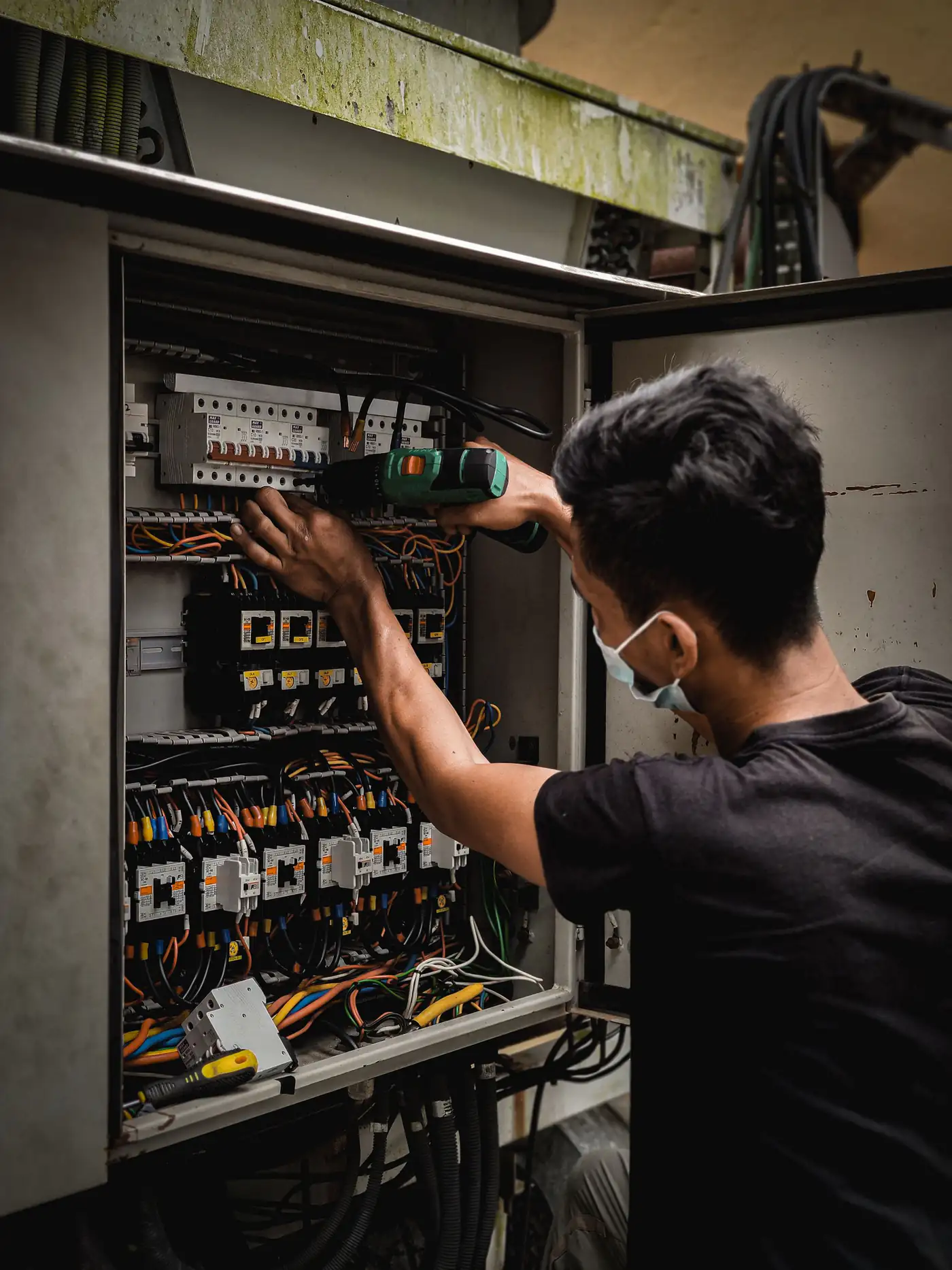
Inspection and maintenance
Once sites are live, we will inspect connectors, cables, enclosures, mounting points and supporting electrical equipment because repeated use, weather, vehicles and ordinary wear can affect condition over time.
Our preventive maintenance programme is designed to find deterioration before it becomes a larger outage or safety issue. When repairs or component replacement are required, they will be handled around the equipment design and site conditions.
Fault handling
We use monitoring, user reports and physical inspection to identify faults that affect charging availability or equipment condition.
When damaged or unsafe equipment presents a risk, we stop access to that equipment until an authorised assessment can be completed.
We evaluate the fault in the context of the charger, electrical system and physical site. We do not expect ordinary users or untrained site personnel to attempt repairs.
We return equipment to normal operation only after the issue has been addressed and the site can be used as intended.
Serviceability
We leave enough physical access for authorised technicians to inspect, isolate and service equipment without creating avoidable conflicts with vehicles or property operations.
Where equipment design permits, we repair or replace failed components without discarding more of the charging installation than necessary.
We use fault history and maintenance records to distinguish isolated events from recurring equipment or site problems and to improve operating decisions.
For live sites, we will maintain hardware while it remains safe, compatible and practical to service, with replacement decisions based on condition, supportability and the needs of the vehicles using the site.
Standards and local requirements
Electrical, construction and charging requirements vary with equipment type, installation environment and jurisdiction. We identify the requirements that apply during project design and delivery.
Where a project requires specific certified equipment, protection or installation methods, we include those requirements in the project scope and commissioning process.
For drivers and site users
Visible cable damage, exposed conductors, impact damage, unusual heat, smoke, arcing or water entering electrical equipment are reasons to stop using the equipment and keep clear of the hazard.
We provide practical public guidance on the Charging Safety page.
Site responsibility
If you are planning a fleet, property or shared charging project, talk to us about the site and operating requirement.
Get in touch