Survey
We review parking, vehicle movement, user access, dwell time, cable routes, equipment positions and the available electrical supply.

Deployment & operations
The work does not stop when hardware is mounted. We plan the site, engineer the electrical path, coordinate installation, complete commissioning and stay focused on availability, fault handling and maintenance after the location enters service.
Project lifecycle
A charging project can lose coherence when site survey, electrical work, hardware installation and operations are treated as separate jobs. We connect those stages around the same vehicle, property and access requirements so decisions made early in the project still make sense when the site is being used.
We review parking, vehicle movement, user access, dwell time, cable routes, equipment positions and the available electrical supply.
We define charging power, hardware mix, distribution, protection and the physical layout required by the site.
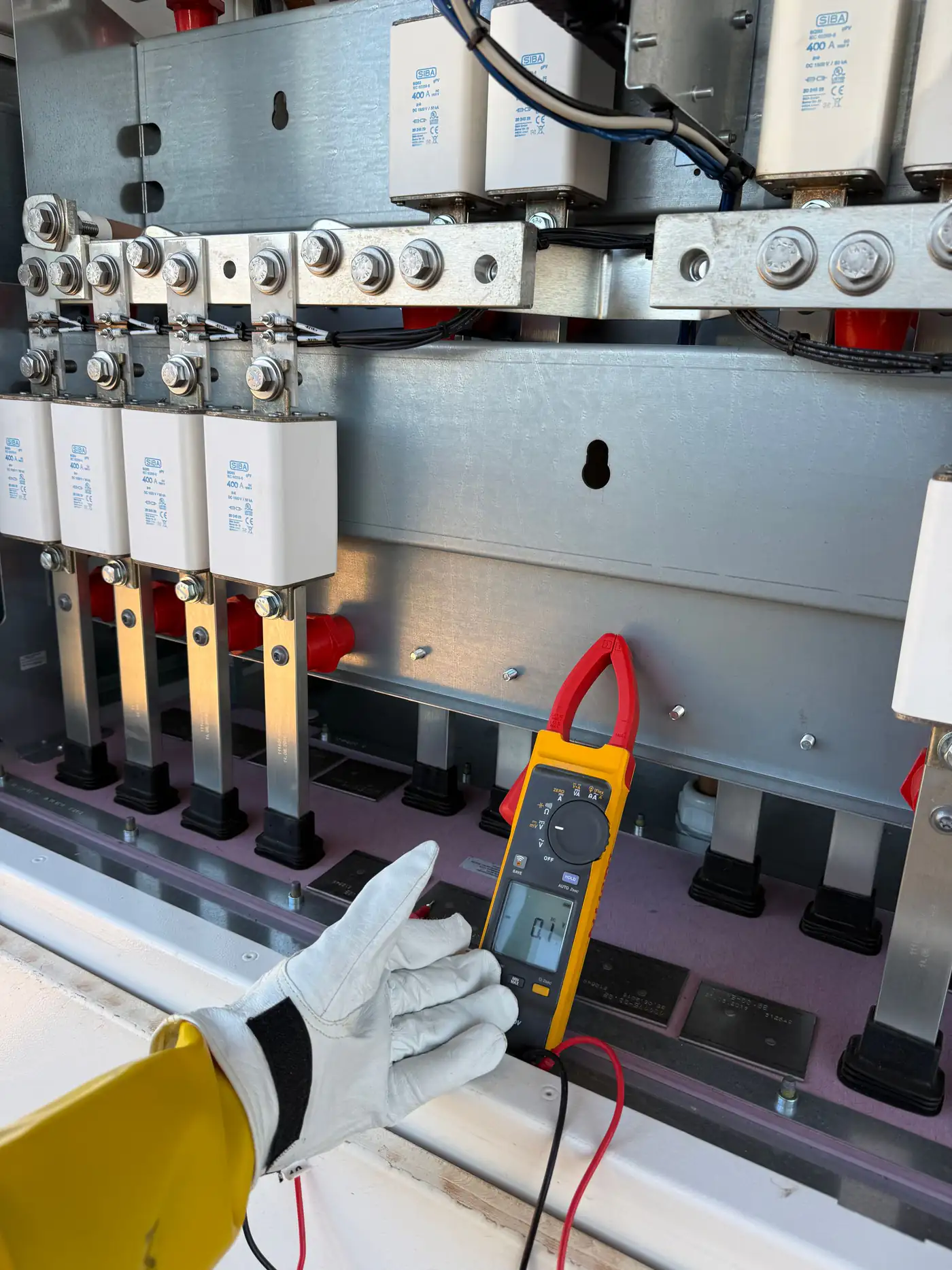
We coordinate the electrical and physical works needed before charging hardware can be installed and commissioned.
We place the charging equipment and supporting infrastructure according to the agreed site and electrical design.
We verify charging behavior, access configuration and the operating setup before the location enters service.
Once a site enters service, we monitor availability, handle faults, maintain equipment and review capacity as demand changes.

Survey and engineering
The survey gives us the physical and electrical constraints the design has to respect. We look at parking geometry, circulation, charger position, cable reach, technician access, security, operating hours and the path from the site's electrical supply to the charging equipment.
We then turn that information into a practical design. Charger power and quantity are matched to the operating requirement, while protection, distribution and equipment positions are planned around the conditions confirmed on site.
Commissioning
Installation completion is not the same as operational readiness. During commissioning we check that the charging equipment, electrical system and access configuration behave as intended and that the location can move into day-to-day use with a clear operating setup.
We verify the installation against the agreed electrical design and confirm the charging equipment is supplied through the intended protection and distribution arrangement.
We confirm that connected vehicles can initiate and sustain charging within the configuration expected for the site.
We verify the user and site rules needed for private, shared or broader access before the service is opened to its intended users.
We make sure the location enters service with clear information for monitoring, fault response, maintenance access and future capacity review.
Monitoring
A charging site only creates useful capacity when the equipment is available to the users it is meant to serve. For live sites, we will monitor whether chargers are online and usable so faults can be identified and investigated instead of remaining hidden until the next driver or fleet operator reaches the location.
Monitoring does not replace physical inspection. We combine operating signals with maintenance and site access so we can distinguish connectivity problems, equipment faults and issues in supporting electrical systems when a location is not behaving as expected.
Preventive maintenance
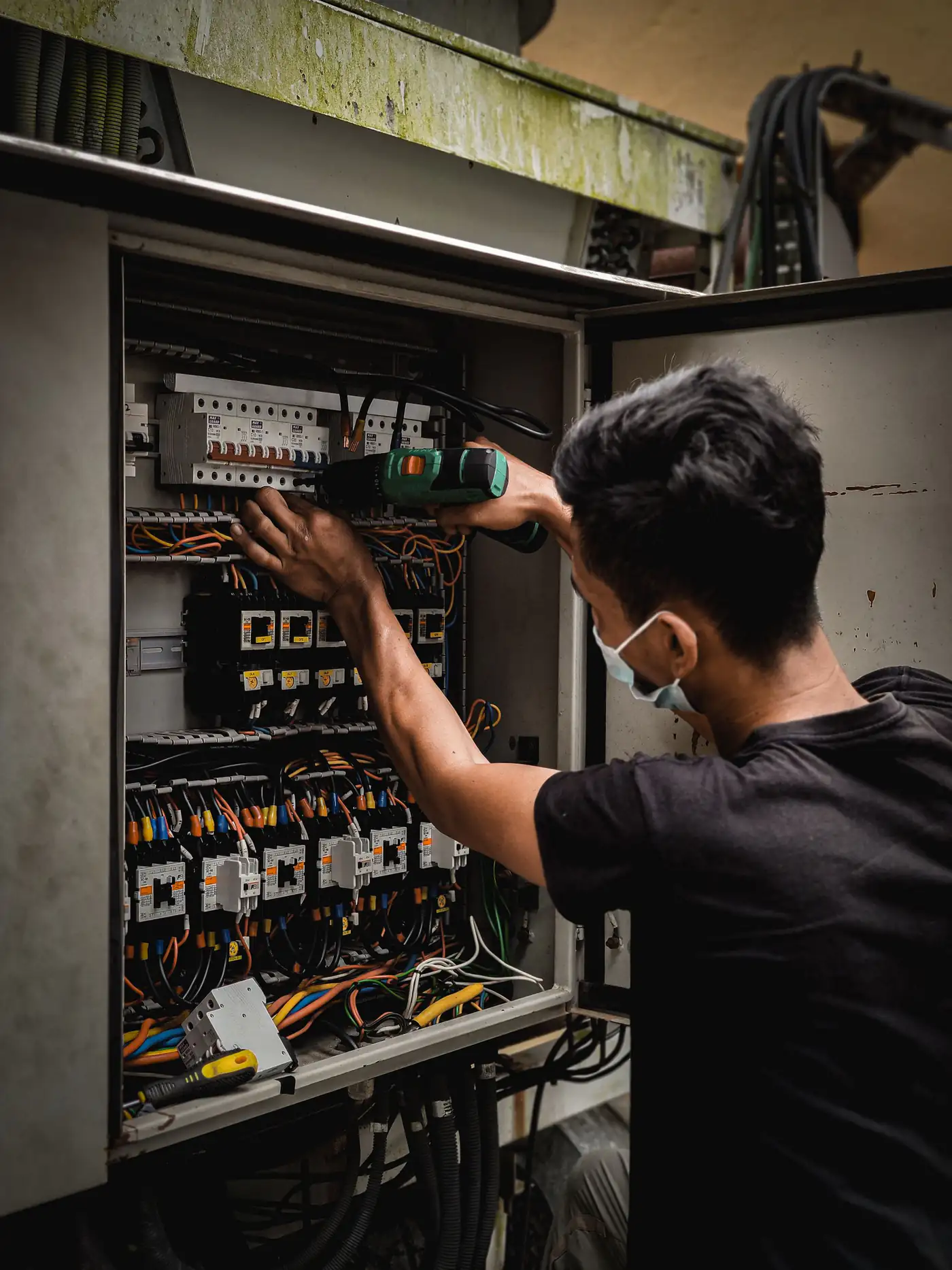
Connectors, cables, enclosures and electrical equipment are exposed to repeated use and site conditions. Once sites are live, we will inspect them for wear, damage, loose components and other issues that can affect safe operation or charger availability.
Where equipment is damaged or unsafe, we isolate the affected capacity when required and coordinate corrective work before returning it to service. We keep the maintenance approach practical for the location rather than relying only on remote status information.
Fault handling and growth
A site changes after launch. Equipment can fail, user patterns can shift and vehicle demand can increase. We use operating evidence to decide what needs repair, what needs adjustment and when the site genuinely needs more charging capacity.
We use monitoring and site information to narrow down whether a problem sits with charging hardware, communications or supporting electrical equipment.
We take affected equipment out of service where continued use would be unsafe or could worsen the problem.
We coordinate the repair or replacement needed to return useful charging capacity to the site.
We review how the location is being used before recommending changes to charger quantity, power or access rules.
We add charging or electrical capacity when the operating requirement justifies it and the site can support the next phase.
We can revise access or charging rules when the user mix or operating windows change over time.
Project delivery
Share the site, vehicles, intended users and operating requirement. We can work through the deployment and operations scope from there.
Get in touch