Private
We can dedicate charging to a fleet, workplace, property or approved internal user group where controlled access is the operating requirement.

Charging locations
A useful charging location is more than a charger on a map. We plan private, shared and public charging around the people using the site, the parking behavior that creates charging time, the power available and the operating rules needed to keep the location usable.
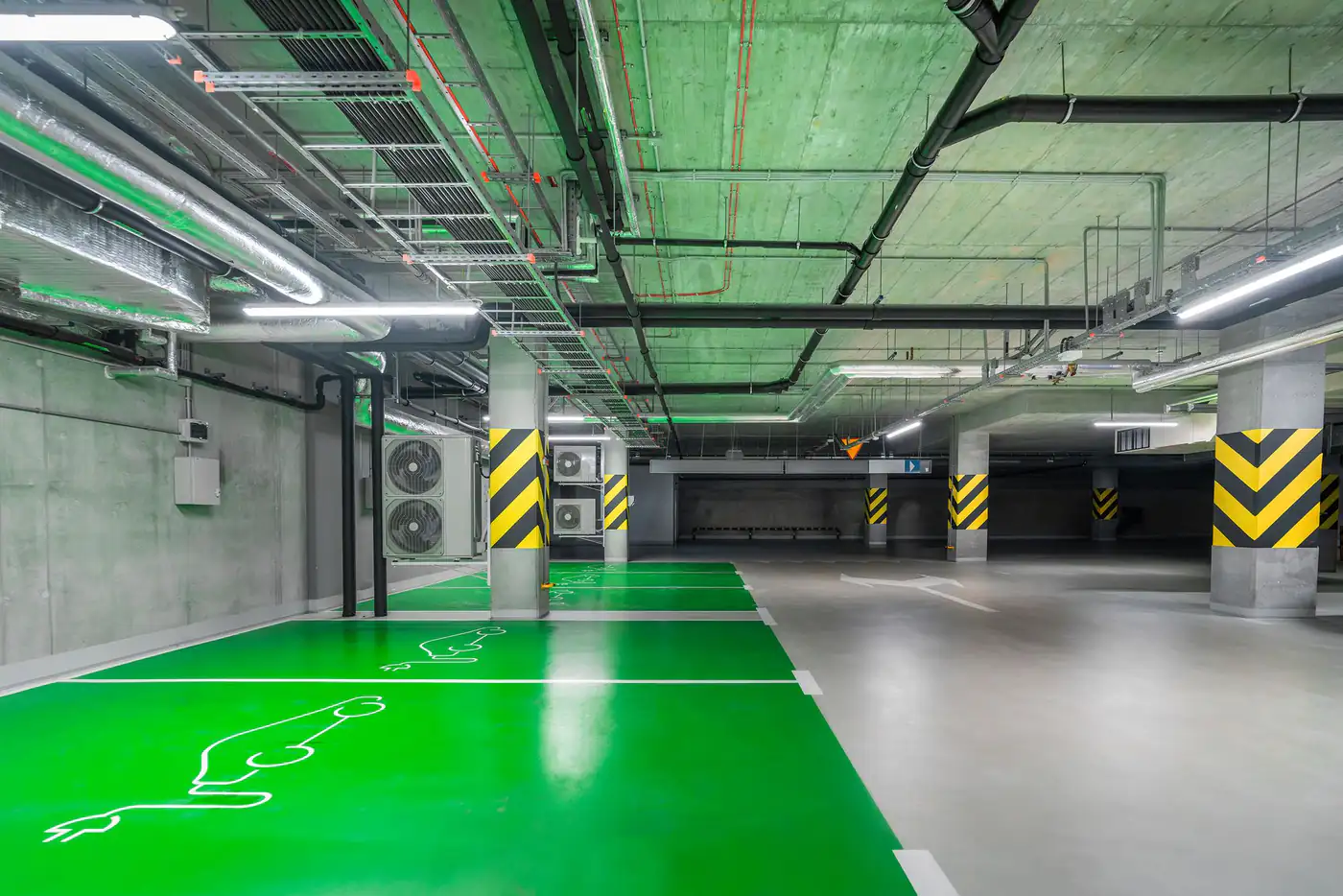
Location model
Private, shared and public charging can use similar hardware while serving very different users. We define the location around its actual role first, then set access, capacity and operating rules that fit that role.
We can dedicate charging to a fleet, workplace, property or approved internal user group where controlled access is the operating requirement.
We can support multiple approved groups at one location where the property, parking pattern and available capacity make shared use practical.
Where a site is intended for broader driver access, we plan around visibility, entry rules, parking turnover, serviceability and the capacity available to public users.

Site suitability
Charging works best when the site matches real vehicle behavior. A fleet depot has predictable return patterns. A workplace has long parking windows. A commercial property can have repeat visitors or tenants. A shared location can serve several groups if access and capacity are clear.
We assess whether the parking time is long enough to deliver useful energy, whether the electrical supply can support the service and whether users can reach the location without conflicting with normal property operations.
Daily operation
The charging service has to remain understandable, reachable and serviceable after construction ends. We define the operating controls around access, parking, capacity and maintenance instead of leaving those questions to the property team after handover.
We define who can use the site, when they can enter and any property-specific restrictions that affect charging availability.
We consider how long vehicles normally occupy bays and whether the location needs rules that encourage charging spaces to remain useful to the intended users.
For live locations, we will monitor whether charging equipment is online and usable so faults can be identified rather than discovered only when a driver reaches the site.
We isolate unsafe or damaged equipment where required, investigate service problems and coordinate the work needed to return capacity to use.
We make sure technicians can reach equipment and supporting electrical systems without turning routine service into a property access problem.
We revisit demand, dwell behavior and site utilisation when the location needs more capacity or a different access model.
Parking and dwell
Charging power only makes sense in relation to time. A vehicle parked for several hours can recover meaningful energy at a different rate from one stopping briefly. We use those dwell patterns to decide what power level and number of charging points the location actually needs.
We also plan for the physical behavior of the site: how vehicles enter, where they wait, how bays are assigned and whether charging cables can be used safely without interfering with pedestrian routes or normal parking circulation.
Location assessment
We do not assume every available parking area should become a charging location. We work through the operating case and the site conditions before deciding whether the property is suitable and what service it can realistically support.
We establish whether the location is private, shared or intended for broader public access.
We look at how long the intended users normally remain on site and when demand is likely to occur.
We assess circulation, security, operating hours, bay layout and technician access.
We determine the electrical capacity available to charging and any practical upgrade requirements.
We define charger mix, access rules, capacity controls and the operating arrangement for the site.
We verify the installed service, monitor availability and maintain the location after it enters use.
Serviceability
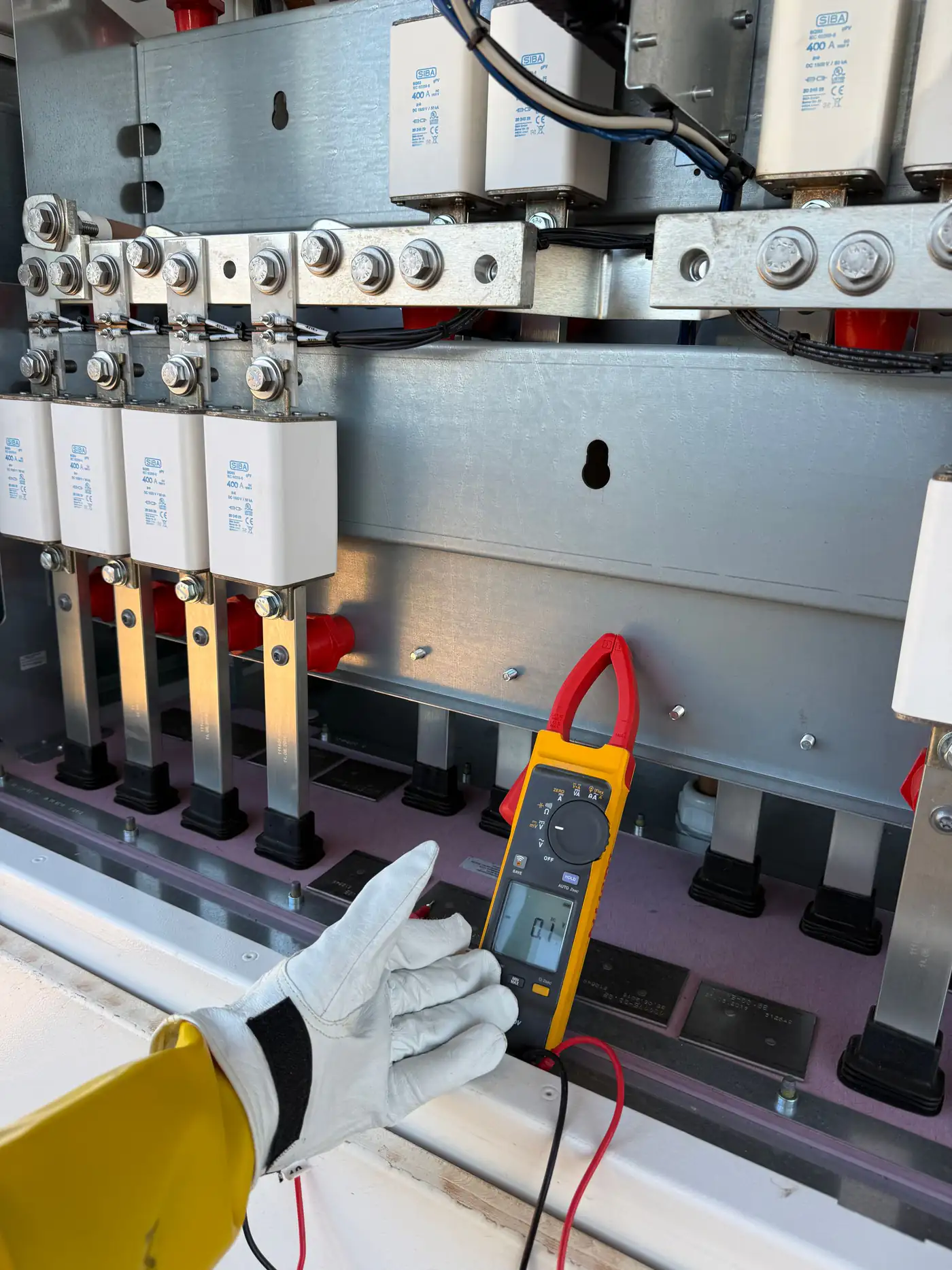
A charging location can lose useful capacity through damaged connectors, cable wear, communications faults or problems in supporting electrical equipment. We plan equipment placement and service access so routine inspection and fault response are practical.
We also keep the operating model visible when maintenance is required. A private depot, workplace and public-facing location may need different communication, access and isolation procedures when part of the charging service is unavailable.
Charging sites
Send us the property context, expected users, parking behavior and whatever you know about site power. We can assess the operating case from there.
Get in touch