Site and capacity planning
We assess the operating requirement, parking environment, electrical supply and expected demand, then define the infrastructure that fits the site.

Fleet charging
We are developing charging infrastructure services for commercial fleets, beginning in Lagos. The proposed model is built around vehicle routes, return times, dwell windows and available power. No Cliff sites are operating yet.

How we plan fleet charging
A charger count does not tell us whether vehicles will leave on time. We work from the energy each vehicle needs, when it returns and how long it can remain connected before the next shift.
We review vehicle charging capability and daily energy use so charger power and connection requirements match the fleet.
We look at total vehicles and simultaneous charging demand because the number connected at once often matters more than the headline fleet size.
We use route distance, duty cycle and variability to estimate how much energy vehicles are likely to need when they return.
We account for whether vehicles return together or throughout the day because arrival patterns shape charger quantity and scheduling.
We use the hours between arrival and departure to determine how quickly energy needs to be delivered.
We design around the operating requirement: enough vehicles need enough energy to leave when your business needs them.
Depot charging
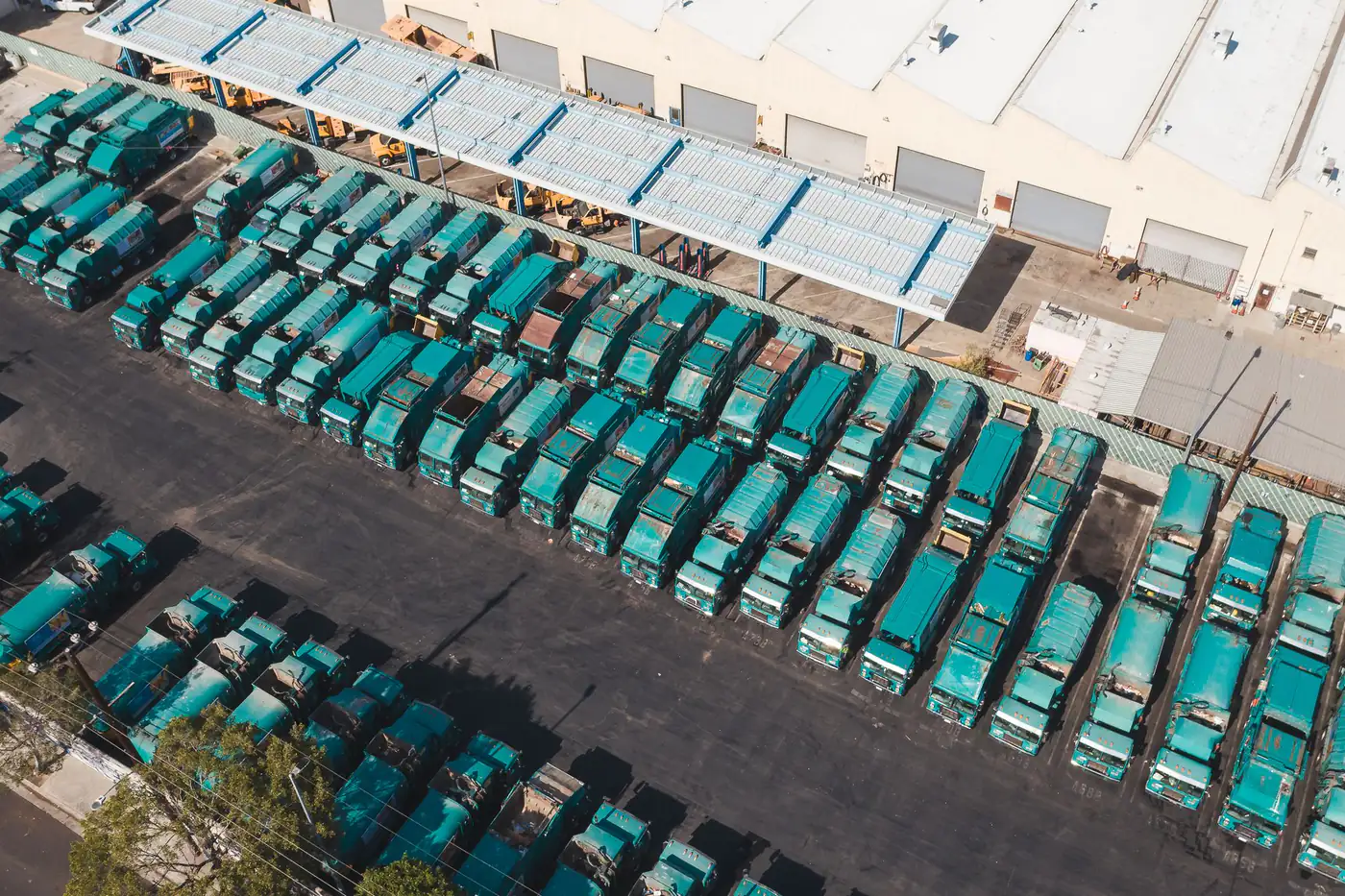
For vehicles that return to the same operating base, we use the depot to recover energy between shifts. We allocate charging capacity around route schedules, parking positions and departure priorities rather than installing identical hardware at every bay.
Where the property allows it, we also prepare the electrical and physical layout for future vehicles. We leave practical room to grow without installing capacity before your operation needs it.
Distributed and destination charging
Some operations benefit from charging at workplaces, partner properties and shared locations in addition to the primary depot. We use those sites when vehicles already stop there long enough for charging to add useful energy.
We plan distributed charging as part of the same fleet requirement. We assess whether the location, dwell time, access and electrical capacity make the stop genuinely useful to your vehicles.

Logistics and mobility
Delivery, service and mobility fleets often have uneven return times and short operating windows. Some vehicles can charge for most of the night while others need to return to service quickly.
We use a mixed charging strategy where it makes sense, reserving faster charging for the vehicles and moments that need it while using longer dwell windows more efficiently at lower power.
What we handle
Our model covers the charging infrastructure around your fleet, from site qualification through operations. We aim to give transport teams a dependable managed service, subject to customer agreements and engineering feasibility.
We assess the operating requirement, parking environment, electrical supply and expected demand, then define the infrastructure that fits the site.
We coordinate charging equipment, supporting electrical works, physical layout, installation and commissioning for the agreed design.
We configure the location for your fleet, approved shared users or a broader access model where the property and commercial arrangement support it.
After a site enters service, our operating scope covers monitoring, fault response, inspection and maintenance to support ongoing availability.
Growth
We can size the first deployment for current vehicles while preparing electrical distribution, equipment positions and parking arrangements for practical expansion.
We add chargers, power or new locations when the fleet requires them. Capacity growth follows real transport demand rather than a target hardware count.
Property partners
We work with properties that can support dedicated fleet charging, shared commercial charging or broader driver access. We assess the site around power, parking, access and recurring vehicle activity.
We review existing electrical capacity and realistic upgrade options before defining the charging service the property can support.
We assess dwell time, bay layout, cable reach and vehicle movement so charging can coexist with normal property operations.
We account for operating hours, security, entry rules and maintenance access when we define who can use the site and how we will service it.
We look for recurring fleet activity, workplace parking or regular driver demand that gives the infrastructure a clear operating case.
Starting a fleet conversation
You do not need a finished technical brief. We can begin with the basic fleet, route and site information already available to your team.
Share the approximate fleet size, vehicle type and any known charging capability.
Tell us the typical route distance, shift pattern, return times and how long vehicles remain parked.
Include depot, workplace or other site details, plus any information you already have about parking and electrical supply.
Tell us whether you are planning a pilot, depot deployment, distributed charging programme or property partnership.
Fleet projects
We can begin the charging plan before every technical detail is known. Share the fleet and site context you already have.
Get in touch