Site geometry
Parking, circulation, cable reach, charger position and technician access are planned as one physical system.

Cliff infrastructure systems
Our delivery model takes charging projects from site survey and technical planning through commissioning and daily operation. We are still qualifying our first Lagos projects, so this describes the service we intend to deliver. We plan the site, electrical system, charging hardware, access model and operating layer together so the location works as one system. That means the charging design begins with the vehicles and property rather than with a catalogue of hardware. We look at how vehicles arrive, how long they remain parked, how much energy they need, what electrical capacity exists and how the site will be accessed and maintained after launch.
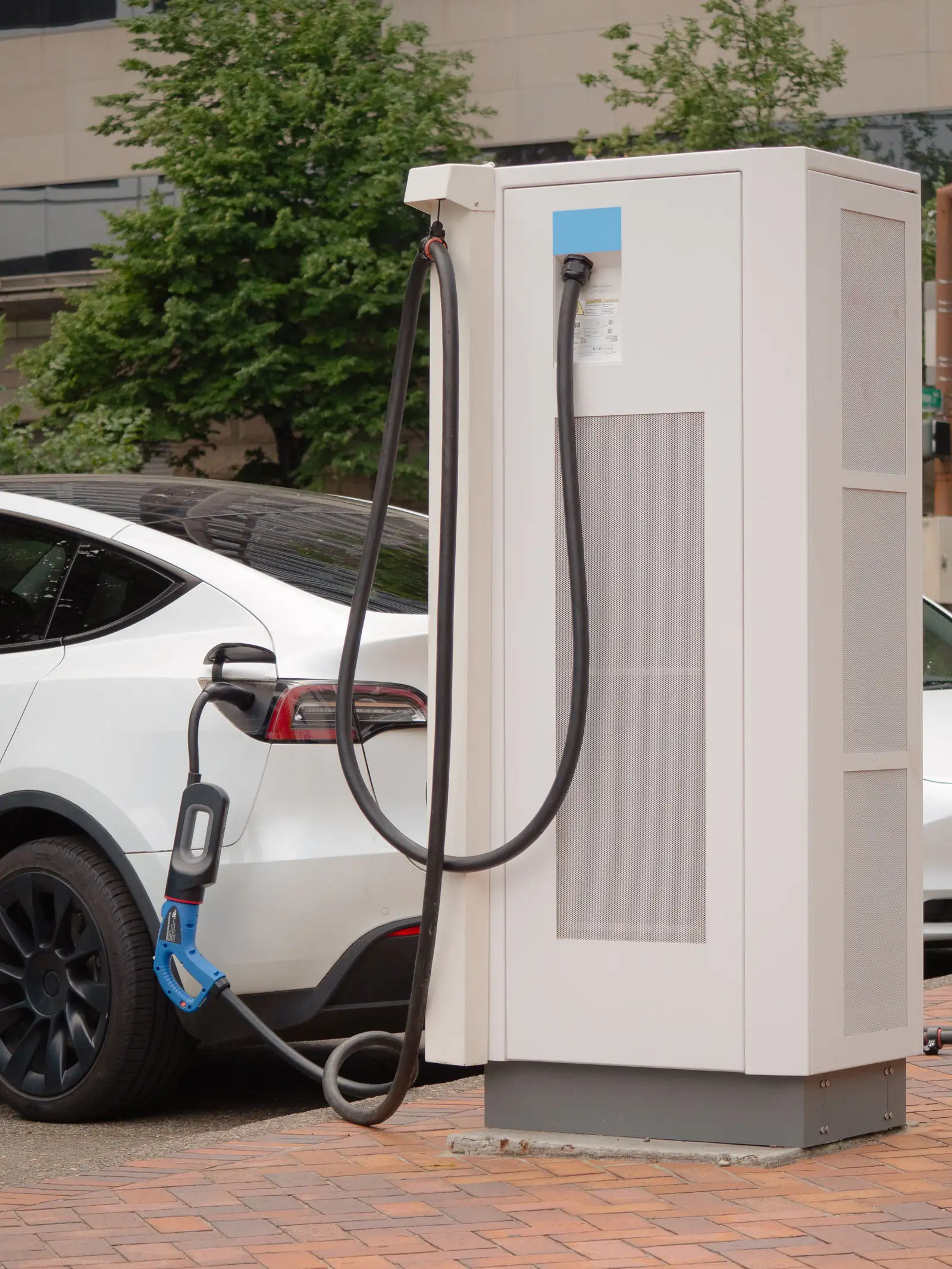
System layers
We treat each layer as part of the same operating system. Charger power changes electrical requirements. Vehicle dwell time changes the hardware mix. Parking geometry changes equipment placement. The operating model changes access and capacity rules. A useful charging location therefore needs more than installed hardware. It needs a design in which the electrical system, physical site, user access and maintenance model support one another throughout the operating life of the project.
Parking, circulation, cable reach, charger position and technician access are planned as one physical system.
Available supply, protection, distribution and practical upgrade requirements define the power envelope for the site.
Charger power and quantity are matched to vehicle capability, energy need and the time each vehicle remains parked.
Private, shared and public sites are configured around the users, operating hours and capacity rules the location needs.
Commissioning, monitoring, fault handling and maintenance keep installed capacity available after construction ends.
Charging environments
Depot, workplace, commercial, shared and public locations have different traffic patterns, dwell windows and access requirements. We design around those differences instead of forcing every property into the same charger layout.
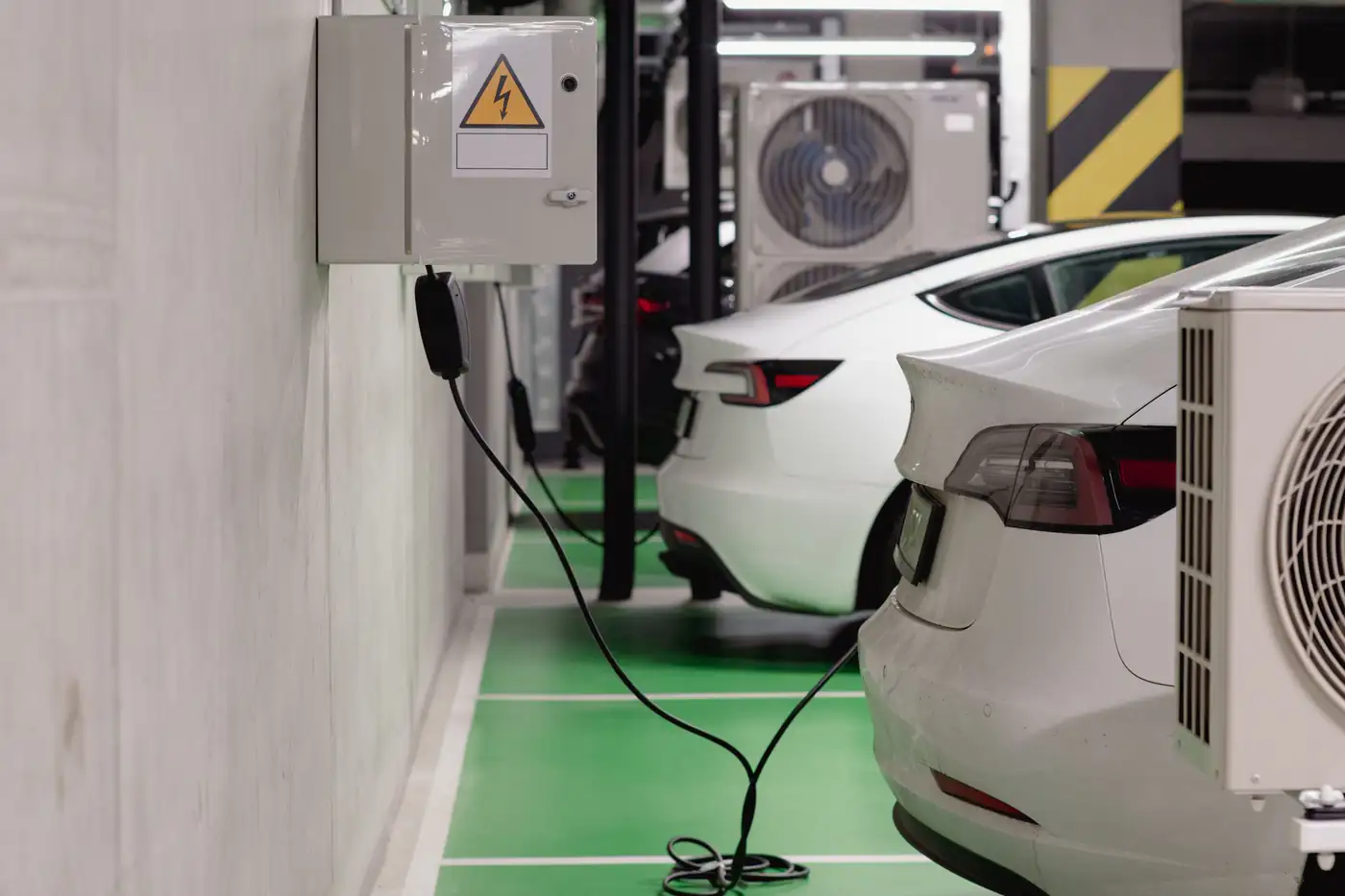
Built around return times, shift patterns, route energy and the next time each vehicle must leave the site. We use the operating schedule to decide how much charging power is actually required and where capacity should be concentrated.

Uses parking time that already exists while balancing employees, operational vehicles, visitors and property capacity. The charging design must coexist with the normal use of the building and its parking environment.
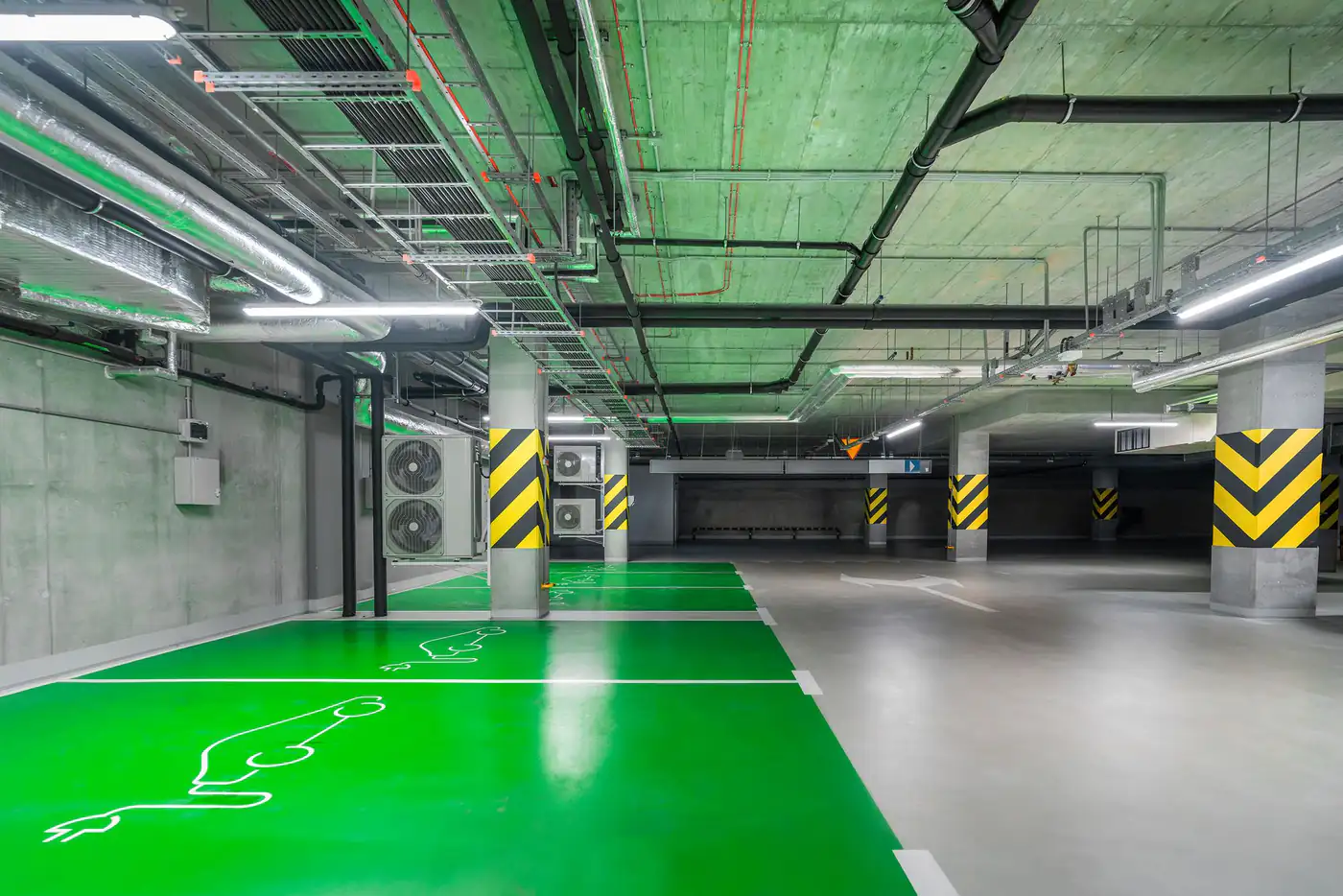
Designed around repeat traffic, access windows, bay turnover and the amount of capacity available to wider users. Shared access only works when the anchor demand, parking rules and available electrical capacity remain protected.
Power architecture
We size the charging layer from the energy vehicles need and the time available to deliver it, then work backward through the electrical and physical requirements of the site. Where existing supply cannot support the requirement, the design has to consider practical upgrades, managed charging or a different deployment sequence rather than assuming unlimited power.
Deployment sequence
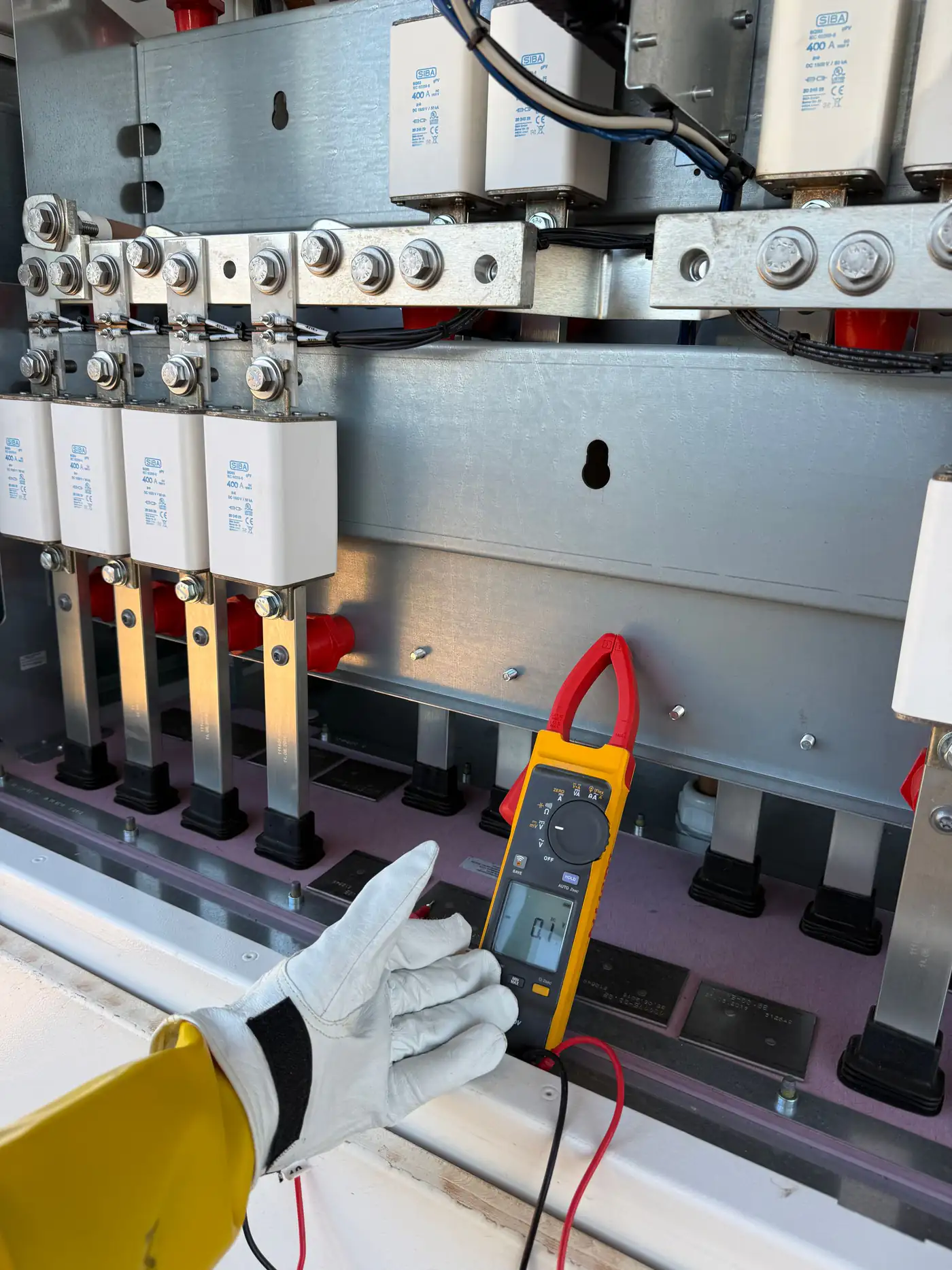
We carry the project beyond construction. The sequence starts with the operating requirement and continues through commissioning and maintenance. Site assessment establishes what the location can support. Engineering translates that requirement into power, protection, equipment and layout. Preparation and installation put the supporting infrastructure in place. Commissioning verifies that the site behaves as intended before normal operation begins.
Vehicles, parking, access, dwell time and electrical supply.
Load assumptions, charger mix, protection and physical layout.
Electrical works, equipment positions and site readiness.
Charging hardware and supporting electrical infrastructure.
Charging behaviour, access controls and operating configuration.
Availability, maintenance, faults and future capacity reviews.
Operations and maintenance
Commissioning is the start of the operating life of a charging site, not the end of the infrastructure responsibility. Equipment condition, communications, power availability and changing vehicle demand all affect whether installed capacity remains useful.
Track whether chargers are online and usable, not simply installed on site. Availability gives fleet operators and drivers a more practical view of whether the infrastructure can support the next journey.
Identify equipment or connectivity faults and isolate unsafe or damaged hardware when required. Fault response should protect users while giving technicians enough information to diagnose the affected layer of the system.
Inspect connectors, cables, enclosures and supporting electrical equipment before deterioration becomes a larger service problem. Preventive maintenance also helps distinguish ordinary wear from recurring site or hardware issues.
Revisit utilisation, vehicle count and operating windows as demand changes and the site grows. Expansion should follow sustained operating need, available property capacity and the electrical path available to support additional charging.
Engineering discipline
We do not treat the highest available charger rating as the automatic answer. Charger selection depends on vehicle capability, required energy, dwell time, simultaneous demand and the electrical envelope of the property. A fleet with long overnight dwell may need a very different system from vehicles returning for short turnaround windows. The design can combine charging speeds where that improves utilisation without overbuilding the electrical system.
Physical layout matters as much as the electrical calculation. Equipment needs practical cable reach, safe circulation, protection from vehicle impact where appropriate and enough service access for authorised technicians. Parking and charger positions also need to work with the normal activities of the property so the charging service does not create avoidable conflicts.
Infrastructure projects
Send us the property, vehicle or operating requirement and we will continue the infrastructure conversation directly. The contact form can take an early idea, an identified property or a more developed technical requirement.
Discuss an infrastructure project