Vehicle fit
We confirm that the vehicles expected at the property can enter, park, connect and leave without creating avoidable operating conflicts.

Property partners
We assess properties around power availability, parking, access, operating hours and recurring vehicle activity. The goal is not to place chargers wherever space exists. We look for locations that can support a clear transport use case and remain practical to operate.
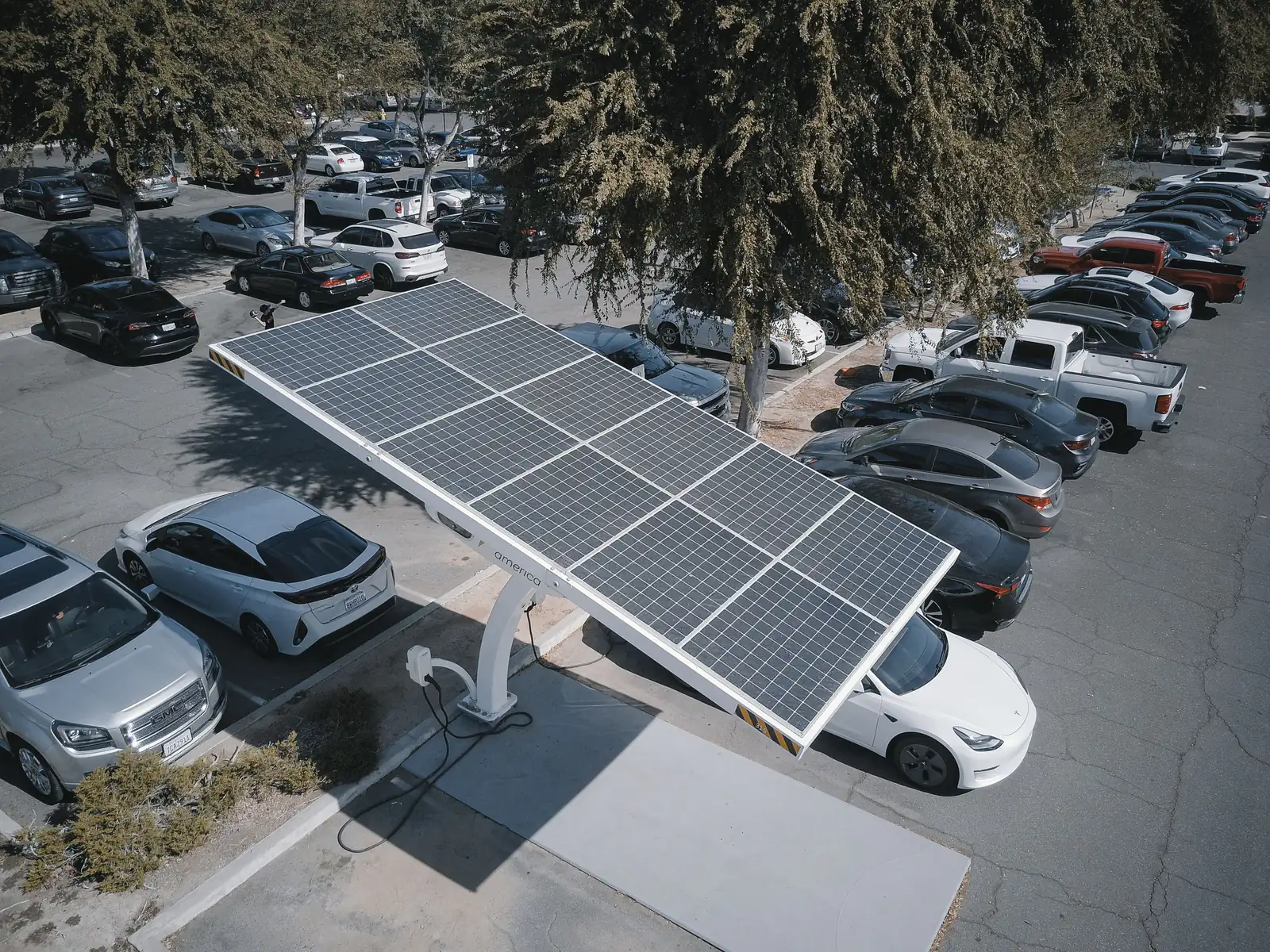
Site qualification
A suitable site has to work electrically, physically and commercially. We review all three before we define the charging model or equipment requirement.
We review the existing electrical supply, spare capacity and realistic upgrade options against the charging demand the site may need to carry.
We assess bay layout, dwell time, vehicle size, cable reach and traffic movement so charging can coexist with normal property operations.
We account for gates, security, entry rules, service access and who can reliably reach the charging area.
We match the proposed access model to when the property is open, staffed or able to support vehicle entry and maintenance work.
We look for repeatable fleet, workplace, tenant or driver activity that gives the location a clear reason to support charging.
We assess whether the property, expected use and required electrical work can support a sensible operating arrangement before moving into deployment.
Access model
A property can support dedicated fleet charging, approved shared users, workplace charging or broader public access. We choose the access model from the location, demand and operating arrangement rather than forcing every property into the same format.
We define who can use the site, when they can enter, how long vehicles are likely to remain and how the infrastructure will be serviced after commissioning.
Long-term usefulness
A technically possible installation is not enough. We want the property to support charging that vehicles can actually use, technicians can service and the site can accommodate as demand changes.
We confirm that the vehicles expected at the property can enter, park, connect and leave without creating avoidable operating conflicts.
We leave practical access to chargers, electrical equipment and cable routes so inspection and maintenance can be carried out safely.
Where the property allows it, we plan distribution and space so additional demand can be supported without rebuilding the site from the beginning.
We set access, parking and maintenance expectations around the way the property is actually managed day to day.
Property conversation
If you control a property with parking, electrical capacity and regular vehicle activity, we can begin by understanding the site and the users it could serve.
Share the property type, city, access pattern and the parts of the site available for charging.
Tell us who parks there, how long vehicles stay and whether bays are dedicated, shared or controlled.
Include any known information about the electrical supply, transformer, distribution boards or previous capacity assessments.
Share any known fleet, workplace, tenant or public charging demand already connected to the property.
Property partnerships
We can assess whether the property can become a practical fleet, workplace, shared or public charging location.
Discuss a property