Supply assessment
We review the available site supply and the loads already competing for that capacity before we define the charging envelope.

Depot charging
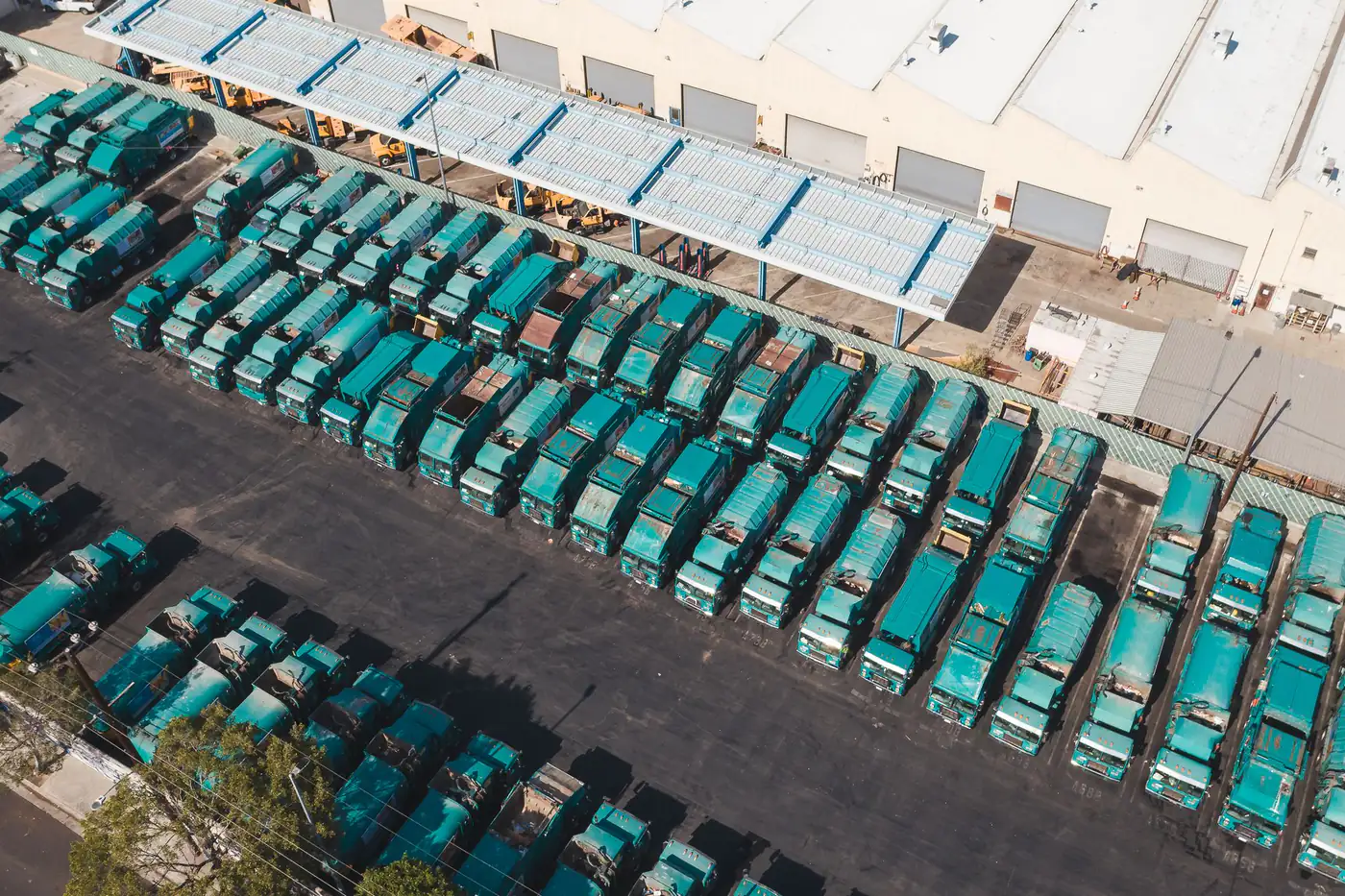
A depot works when vehicles return, recover the energy they need and are ready for the next operating window. We design the charging system around route energy, arrival patterns, dwell time, parking positions and the power the site can realistically support.
Operating requirement
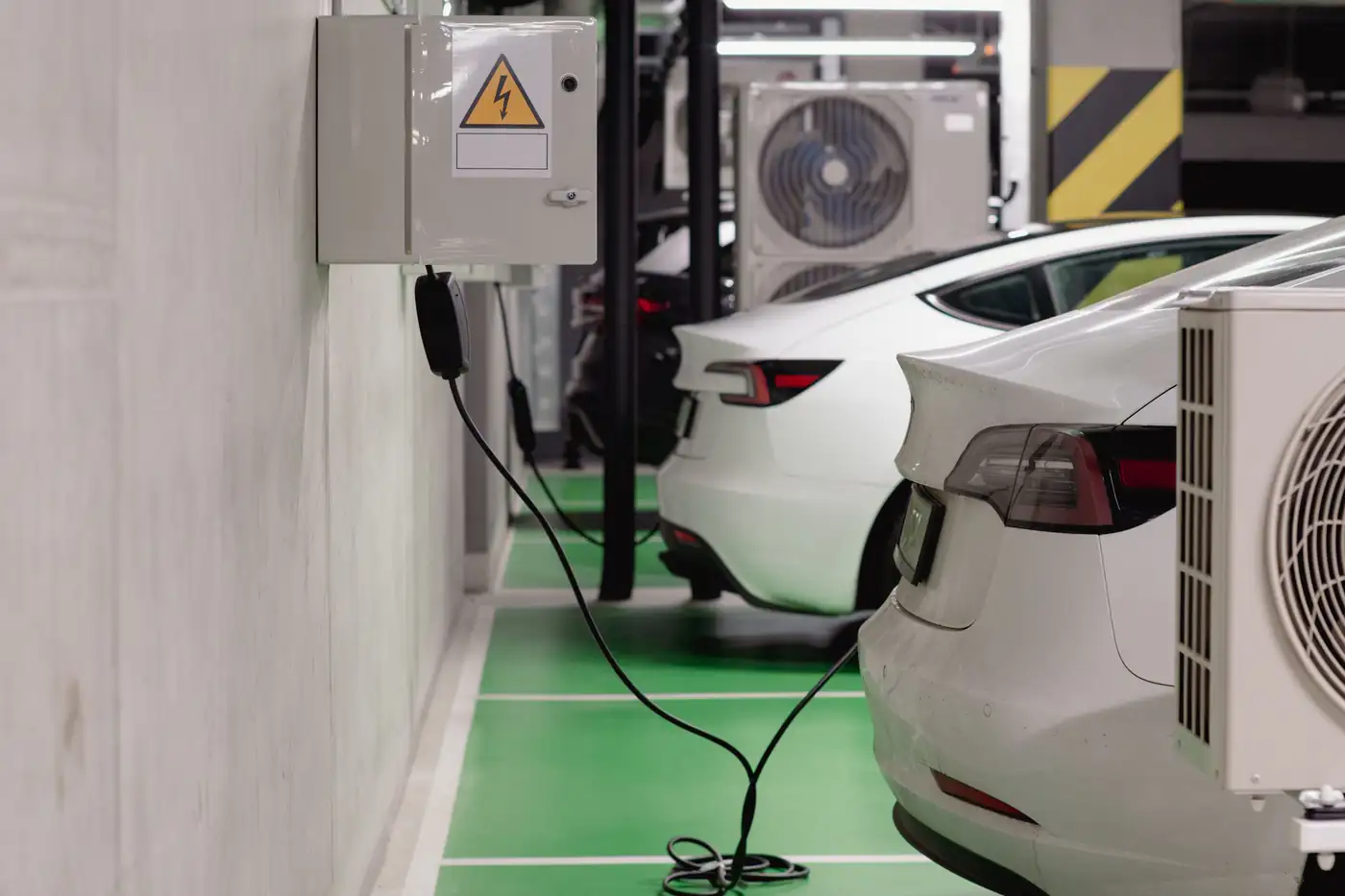
The useful question is not how many chargers fit in the yard. We need to know which vehicles return, how much energy they need, how long they remain parked and which departures matter first. That operating context determines the charging power, charger count and scheduling logic we design into the depot.
We estimate the energy vehicles are likely to consume across their normal duty cycle so the charging plan starts from transport work rather than charger ratings.
We account for whether vehicles arrive together, in waves or throughout the day because simultaneous arrivals change both charger demand and electrical load.
We use the time between arrival and the next required departure to determine how quickly each vehicle actually needs energy delivered.
We identify the vehicles that must leave first or have the least scheduling flexibility so available power can be directed where it matters most.
We plan charger position, cable reach, circulation and technician access around the way vehicles already move through and occupy the depot.
We review the site's practical electrical envelope before committing to hardware quantity or charging speed.
Charger mix
Different vehicles and parking windows can justify different charging power. Where most vehicles remain parked for long periods, lower-power charging can recover energy efficiently across the dwell window. Where selected vehicles turn around faster, we can reserve higher-power charging for those operating cases.
We use the mix to reduce unnecessary peak demand while protecting the departures that need the most flexibility. The objective is a depot that supports the operating schedule, not a yard filled with the highest-power equipment available.
Power inside the depot
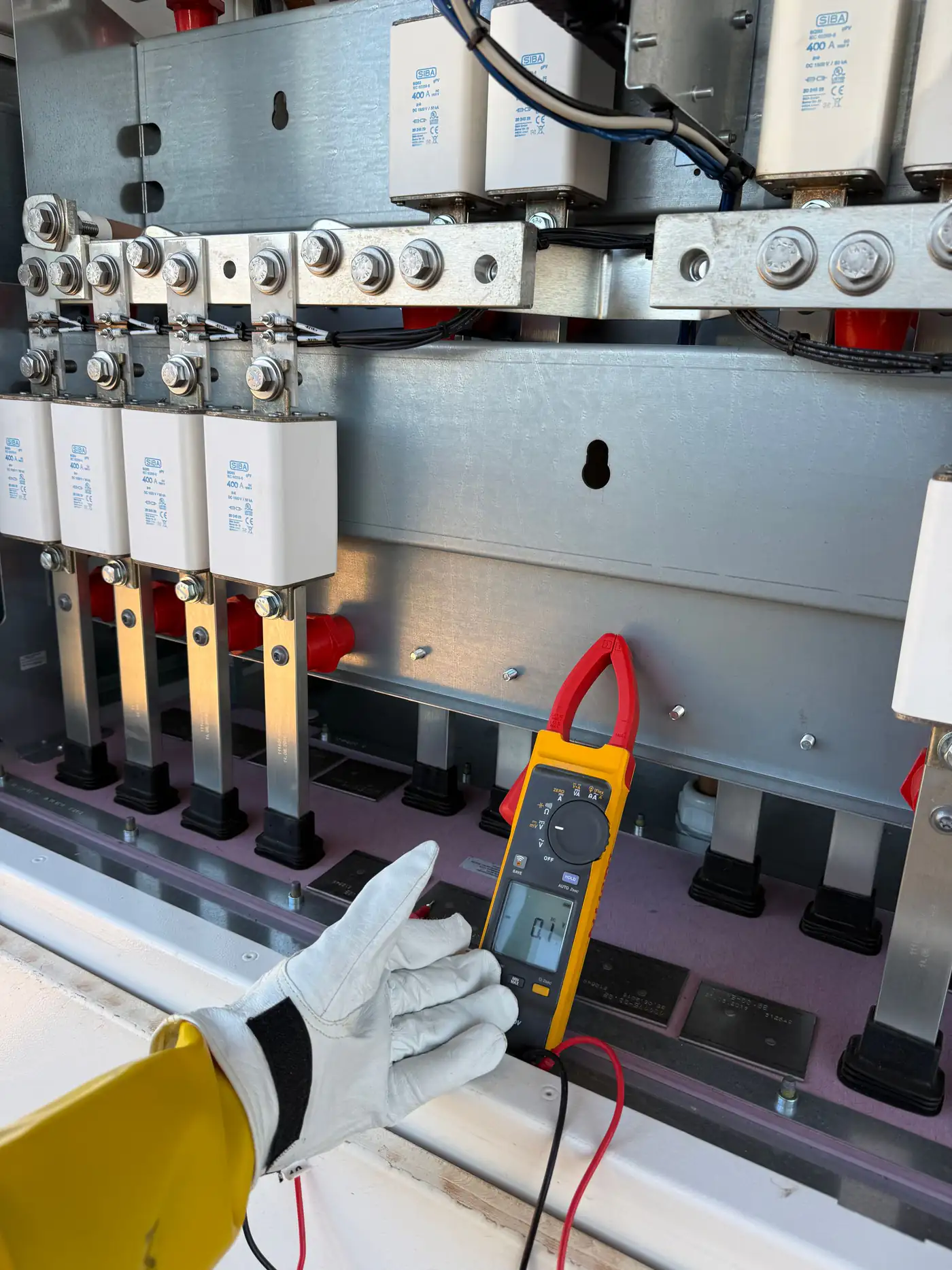
Charging demand has to pass through the site's supply, protection and distribution before it reaches a vehicle. We size the charging design within that complete electrical path and identify where upgrades, load controls or staged capacity are required.
We review the available site supply and the loads already competing for that capacity before we define the charging envelope.
We plan feeder routes, protection and equipment positions so the electrical works support safe charging and practical maintenance access.
Where the operation allows it, we can distribute charging power across vehicles and time instead of assuming every connected charger must draw full power at once.
We can prepare distribution and physical space for future vehicles so the first deployment does not make sensible expansion unnecessarily difficult.
Depot layout
A workable depot has to accommodate vehicle circulation, parking discipline, cable reach, charger protection and technician access at the same time. We avoid layouts that create charging equipment conflicts with loading areas, turning paths or routine fleet movement.
Where vehicles have assigned positions, we can use that predictability to simplify connection and scheduling. Where bays are shared, we plan for a more flexible operating pattern and make sure the charging arrangement does not depend on perfect parking behavior every day.
Deployment sequence
The depot design becomes more specific as we confirm the vehicles, parking environment and electrical conditions. We keep the operating requirement visible through every stage so the final site reflects how the fleet actually works.
We review vehicles, routes, return times, dwell windows and departure priorities.
We inspect parking, circulation, cable routes, electrical supply and practical equipment positions.
We define charger mix, load assumptions, protection, distribution and the physical charging layout.
We coordinate supporting electrical works, charger installation and the site changes required for operation.
We verify charging behavior, access configuration and the operating setup before the site enters service.
Once the depot enters service, we will monitor availability, handle faults, maintain equipment and revisit capacity as the fleet changes.
Phased capacity
Fleet electrification often happens in stages. We can size the first charging deployment around the vehicles entering service now while keeping future charger positions, electrical distribution and site access in view.
When the fleet grows, we review actual charging demand, dwell behavior and site utilisation before adding capacity. That gives us evidence from the operating depot rather than forcing later phases to follow assumptions made before the first vehicles were charging.
Depot projects
We can begin with vehicle count, route pattern, return times, parking information and whatever electrical context is already available.
Get in touch