

Impact

What useful charging could enable.

We are developing charging infrastructure around real fleet requirements, not installed capacity alone. There are no operating Cliff sites yet. We intend to measure delivered energy, reliability and supported transport when facilities are in service.

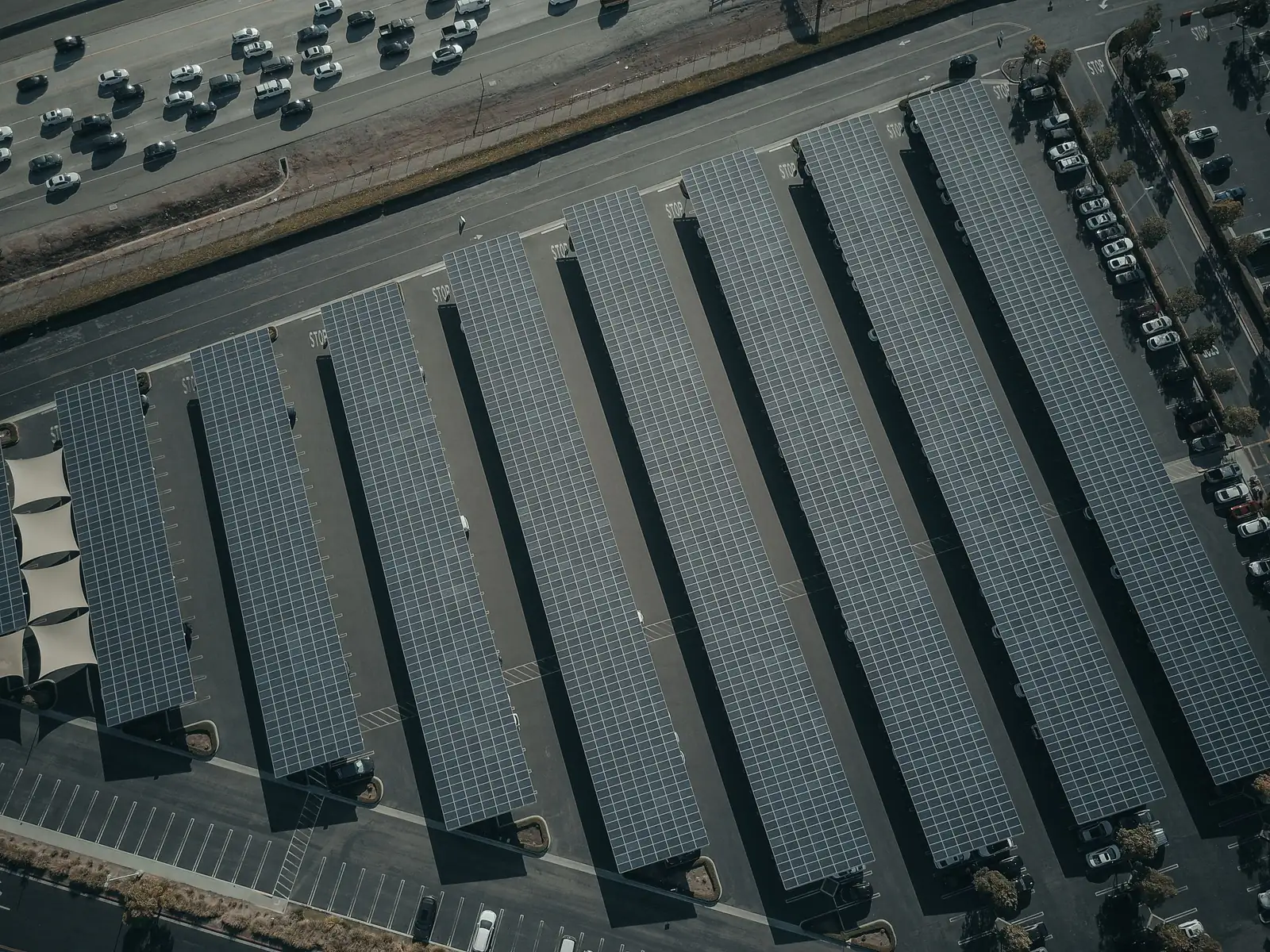
Aerial view of parking and solar energy infrastructure

Infrastructure and electrification

We connect electric vehicles to the charging they need to work reliably.

Vehicle electrification becomes operational when drivers and fleets can recover energy predictably between journeys.

Our proposed model could use depot and shared charging locations to turn existing parked time into energy. Successful sites could help fleets return vehicles to service with more predictable charging than improvised alternatives.

We measure the practical value of a site by whether it supports real vehicle use and remains available to the people who depend on it.

What we measure

Our impact reporting begins with operating data.

As our network grows, we use measurable operating data to understand how the infrastructure is being used and what transport activity it supports.

Energy delivered

We will track the electricity delivered through charging sessions as a direct measure of the charging service our infrastructure provides.

Charging sessions

We use session volume to understand how frequently sites are used and how demand changes by location and user type.

Electric kilometres

Where vehicle efficiency and operating data support a defensible calculation, we use delivered energy to estimate the electric kilometres our infrastructure helps enable.

Fleet vehicles supported

For commercial projects, we can report the number of vehicles that regularly rely on a charging site as a practical measure of transport activity supported.

Electric vehicle charging equipment and energy infrastructure

Use before capacity

We focus on infrastructure that gets used.

Installed power only matters when vehicles can use it consistently. We pay attention to sessions, energy delivered, vehicle availability and repeat use because those measures show whether the infrastructure is contributing to electrification.

We plan around recurring transport and property activity so each site has a clear reason to exist and a practical role in the network.

Climate context

We account for the electricity used and the transport activity replaced.

01

Grid and site energy

We recognise that the climate profile of electric driving depends partly on the electricity used to charge the vehicle. Grid mix, on-site energy and charging time can differ by location, so we assess impact with site context in mind.

02

Transport replaced

We consider the vehicle being replaced, how far it travels and how efficiently it operates. We avoid treating every charging session as identical when the underlying transport activity differs.

03

Productive parking time

We use existing dwell periods to deliver energy where possible. For fleets, that can support electrification without adding unnecessary charging stops to the operating day.

04

Infrastructure utilisation

We design for regular use because sustained utilisation spreads the physical and electrical investment across more charging activity and strengthens the commercial case for the site.

Equipment lifecycle

Charging hardware is long-life physical infrastructure.

The equipment we deploy will include components that wear, fail and eventually reach the end of their useful life.

Our maintenance approach will prioritise repair where practical so useful components stay in service longer. When parts or complete units need replacement, those decisions will be made around safety, serviceability, compatibility and appropriate end-of-life handling.

Lifecycle management is part of our operating model, with the primary goal kept clear: dependable charging that enables electric vehicles to perform useful work.

Reporting discipline

We publish operating outcomes when the data can support them.

We distinguish measured facts from estimates. As our operating history grows, we will use reliable energy, session and vehicle data to report stronger network impact without overstating projected outcomes.

Electrification projects

Build charging around real vehicle use.

If you are planning fleet, workplace, commercial or shared charging, talk to us about the operating requirement and site.

Get in touch